Sensory
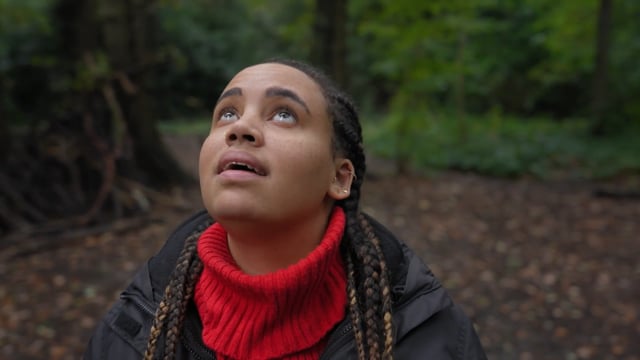
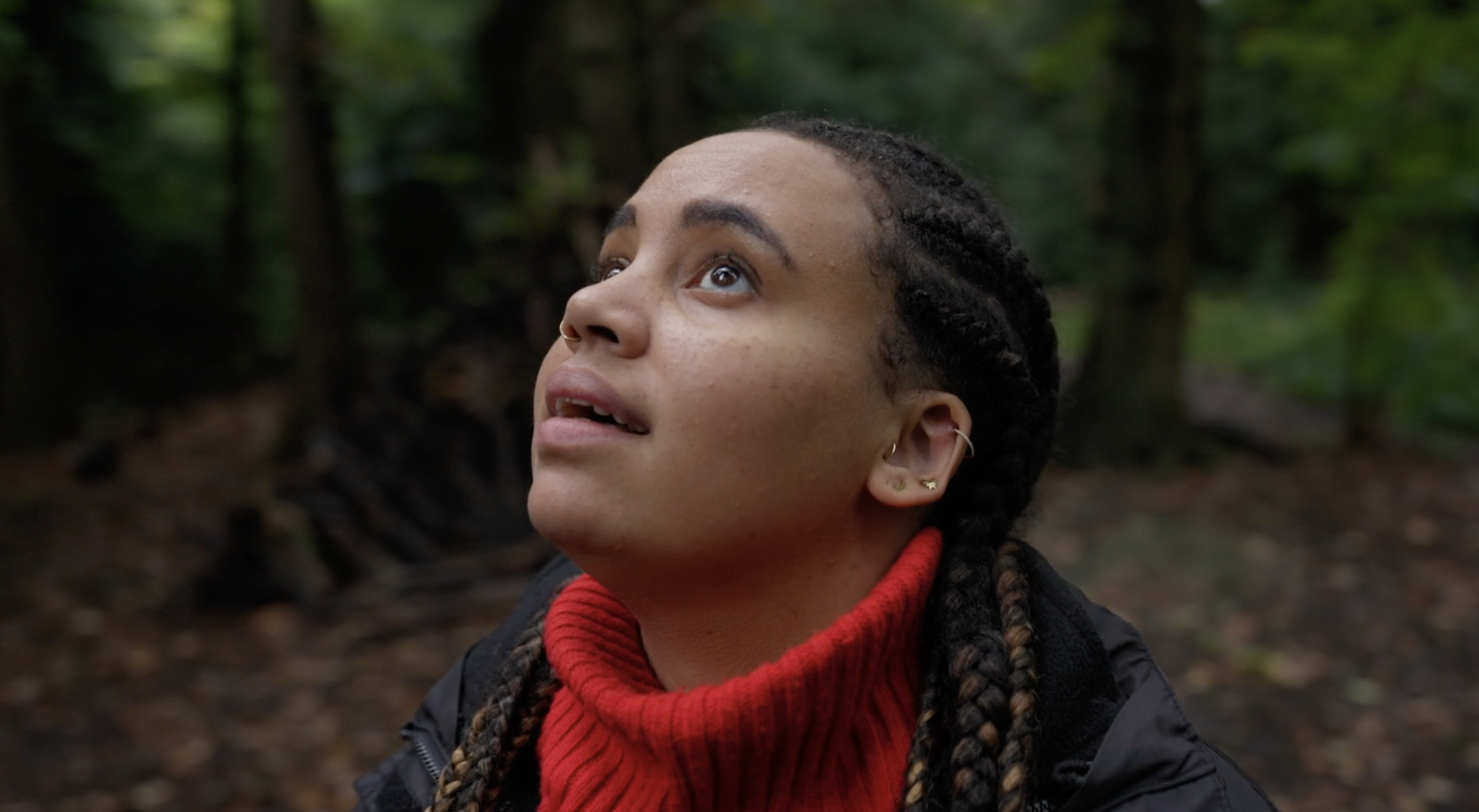
Sensory is a film project about autistic people’s experiences of hospitals. It is a fictional film, but it is grounded in the real stories and experiences of East London NHS Foundation Trust (ELFT) staff, patients and service users. The film was co-produced with autistic people, staff, and carers, and it has a fully neurodivergent cast. It is a collaboration between the University of Bristol project ‘Sensing Spaces of Healthcare’, ELFT, and Inner Eye Productions. Overall, Sensory aims to harness the power of storytelling to represent autistic people’s hospital encounters. The film has been a key component in training staff about autism. National Autism Society, NeuroUniverse and Anti Racist Cumbria report using Sensory in training or signposting the film to service users. Between January 2025 and April 2026, Sensory was watched 8.8K times on YouTube.
Sensory is also used in NHS training. Some individuals have reported using the film in their NHS training informally, for example, in training for pathology staff at Southmead Hospital in Bristol. East London Foundation NHS Trust (a collaborator on the project) reported that Sensory has become formally ‘embedded’ into their Trustwide Autism Awareness half day training.
Selection of feedback:
We consider the obvious overwhelming environments such as alarms/bright lights. We don’t consider less obvious ‘normal’ environments e.g. waiting room noise, background chatter, distracting telephones.
All of it was brilliant – just such a powerful way to gain insight & lived experience of autism. Also loved the […] focus with Autistic joy!
The joy within Autism, as well as the daily challenges of navigating systems as an autistic person. That joy isn’t always represented in such a beautiful & accessible way.
Mostly I felt seen, almost in ways I hadn’t seen myself before. It gave me hope for the healthcare systems community to improve their allyship. It’s a very reflective film.
If we can show compassion and be curious about someone’s experience and acknowledge that it might be difficult, then we can still make it better, even if the environment itself remains difficult in some ways’
Every time I watch I am moved, and it’s taught me more about my own experience of the world. I couldn’t have a higher opinion of the video and believe it’s going to make a real difference to our understanding of this very under-focussed part of neurodivergent life.
I’ve used it for a training session and one of the people in the training was tearful – they were a parent of an autistic child and for the first time properly understood why they found certain environments so difficult.
Since sharing the film and facilitating the training, we have [had] direct requests to provide specialist advice and also to facilitate ‘walkarounds’ to identify how to make health care environments more ‘autism friendly’.